
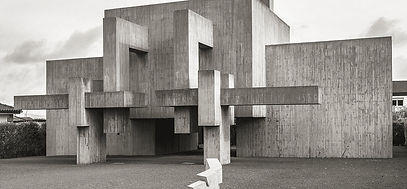
Matt Ponka's
Museum of Technology
WWII STANDARD ISSUE ALLIED BOMBER PANTS
During WWII, technologies that served the aims of death and destruction were progressing rapidly. Bombing runs on civilian and industrial centers were common place. The allies used the euphemistic term strategic bombing to reference the bombing of civilian centers in Germany. A bomber could expect multiple different defensive tactics en route to its payload drop point. A typical defense of a civilian center would involve a wave of fighter jets, then ground to air flak cannons while above the drop point, followed by another wave of fighter jets. Some first wave fighter plane pilots would choose to stay for the fireworks. Bombers were typically outfitted with four manned turrets each armed with two 50 caliber machine guns. To counter the flak cannons, bombers reached for higher and higher altitudes. The planes were not outfitted with pressurized cabins and at high altitudes like 30,000 feet, around the height of Mt Everest, temperatures could easily reach -50 degrees Celsius in the plane. It was not uncommon for the bombers that did make it back to base to be suffering from frostbite and hypothermia. These standard issue bomber pants are essentially an inside out sheep. The particular set in the museum has a bomber's name stitched into the tag. These pants sit at the intersection of technologically advanced warfare and the humans trapped inside it. Behind the detached language and payloads were lonely bombers, freezing in the sky.
Bought for: $50
Market Value: $600
Value to Museum: Priceless
More

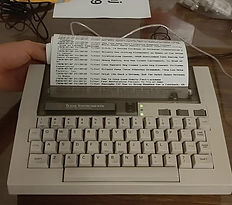
TI-700 MAINFRAME INTERFACER
In the late 1970s, this device was used at The Computational Engine Center at Vancouver UBC. Inside the Center was a two story tall mainframe computer. This electronic typewriter with data outputs was used by programmers to write code in languages like basic which was then transferred onto the mainframe computer where it could be stored on cassettes or printed onto hand sized punch cards that were each carefully perforated with pen tip sized holes. To run a program on the mainframe, towering stacks of such cards would be fed into the building sized system. If the cards were ever shuffled out of order, rather than sorting through the mess, the practical solution was to just reprint the entire program from scratch.
Bought for: $20
Market Value: $200
Value to Museum: Priceless


MOTOROLA 9800 MICRO
Top of the line 1990's cellphone

PORTABLE RECORD PLAYER
A 20 pound briefcase for music on the go
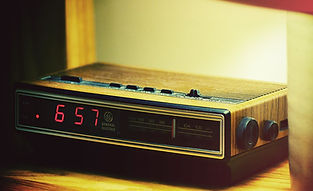
ALARM CLOCKS
A great way to start the day

CALCULATORS
Logic in its most simple format

JERSEY SHORE SOUNDTRACK CD
It's the Jersey Shore

BLANK VHS TAPE
please rewind

PCII WITH TURBO BUTTON
Top of the line 1980's computer

EVERY CHILD MATTERS
Except the one that made this t-shirt

U.S. AIR FORCE JACKET STANDARD ISSUE 2001
Made in America
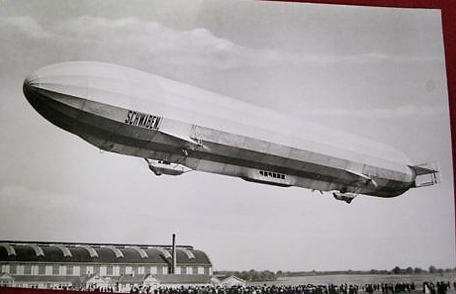
PRE-WWI POSTCARD FROM GERMANY TO CANADA WITH AIRSHIP
The writer pens about how kind the German people are
The gem of my collection. Actual card not shown.